My name is Amina Malik and I'm an oculoplastic surgeon at Houston Methodist Hospital in Houston, Texas.
So I have a busy oculoplastics practice there with a big proportion of patients with thyroid eye disease.
Thyroid eye disease is a very heterogeneous disease. So I think it's important for general practitioners, general ophthalmologists, endocrinologists, just to be aware that it can present in a variety of ways.
So I think it's important general practitioners consider referring to a TED specialist so that they can catch the disease early in the process and uh hopefully optimally treat them.
Thyroid eye disease can be a very debilitating process. I've had more than one patient in my office in tears because of how this disease has affected them.
I've been treating patients with TEPEZZA from the onset since 2020.
TEPEZZA is indicated for the treatment of Thyroid Eye Disease regardless of Thyroid Eye Disease activity or duration.
TEPEZZA may cause infusion reactions. Infusion reactions may occur during an infusion or within 1.5 hours after an infusion.
Please listen to additional Important Safety Information later in this video.
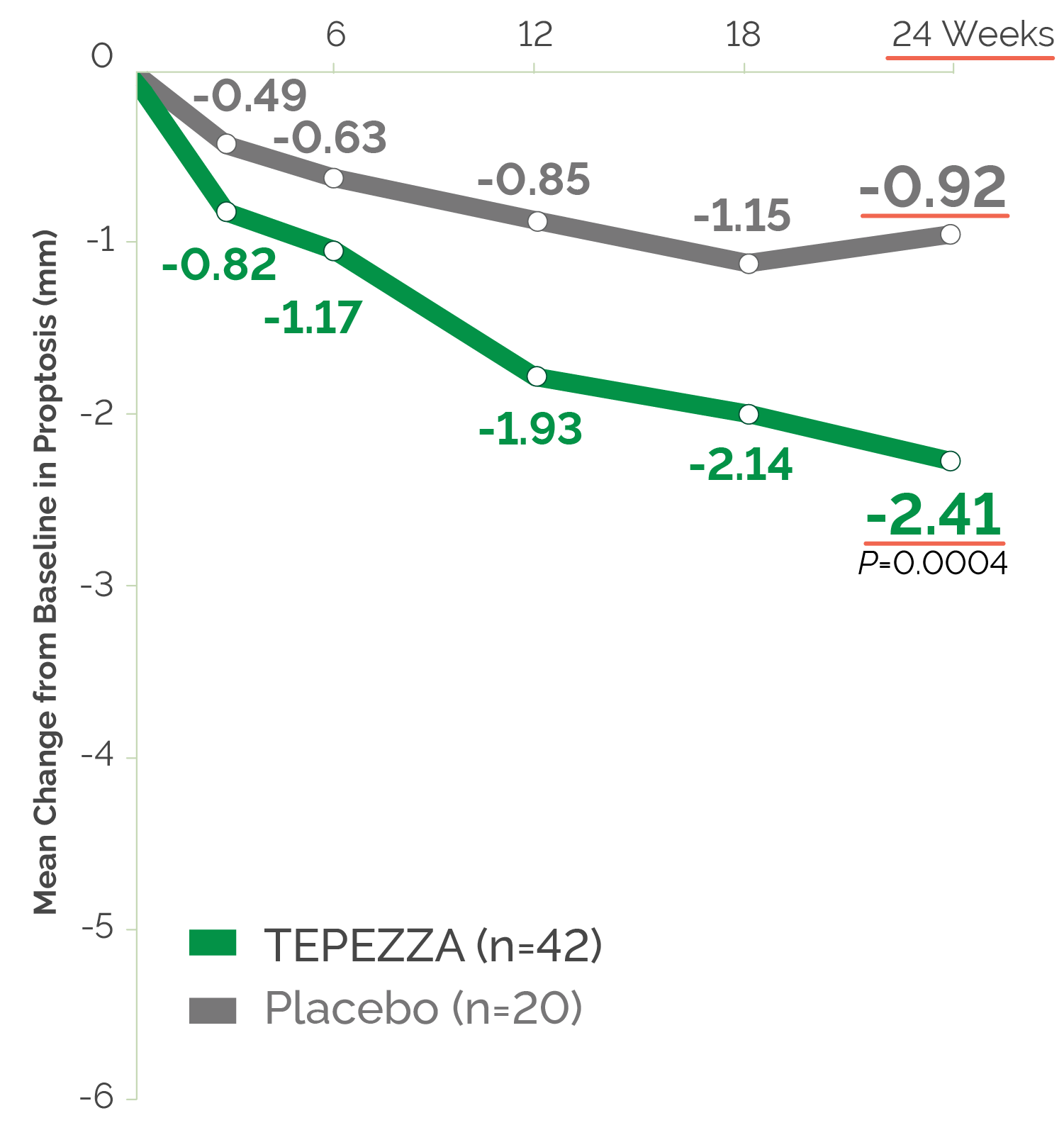
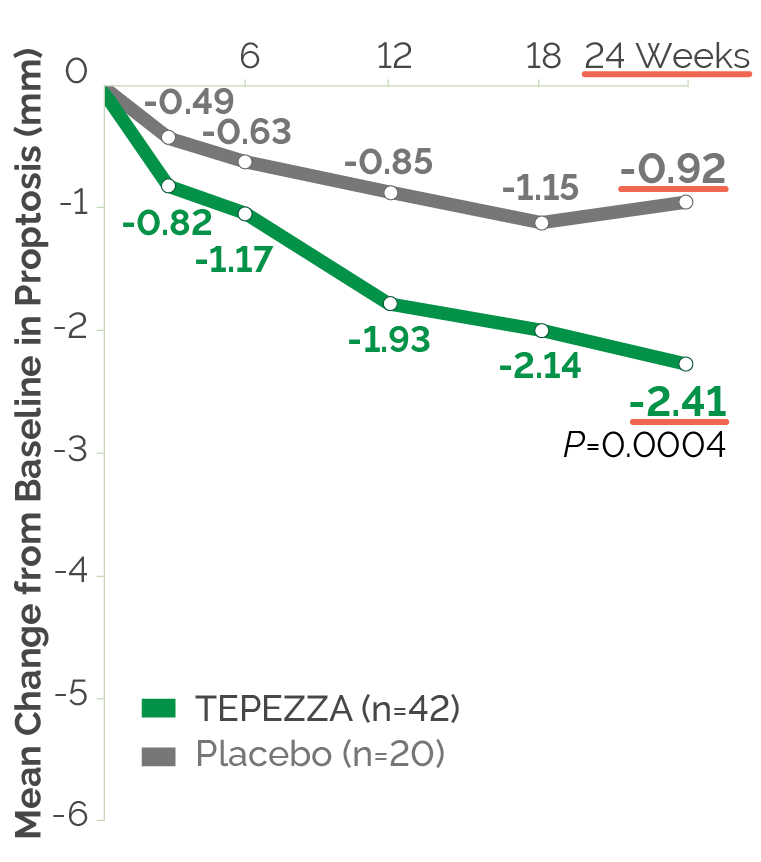
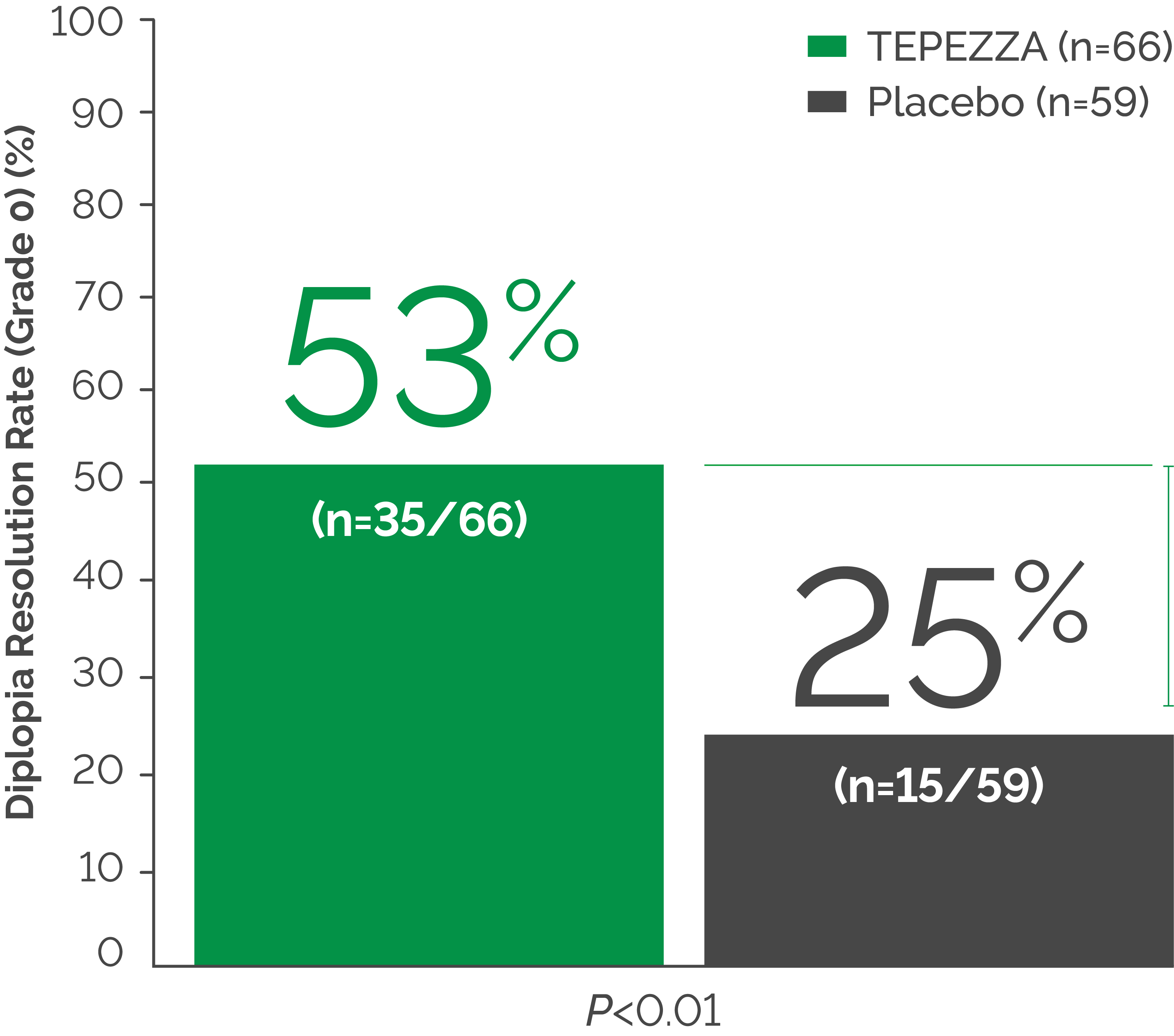
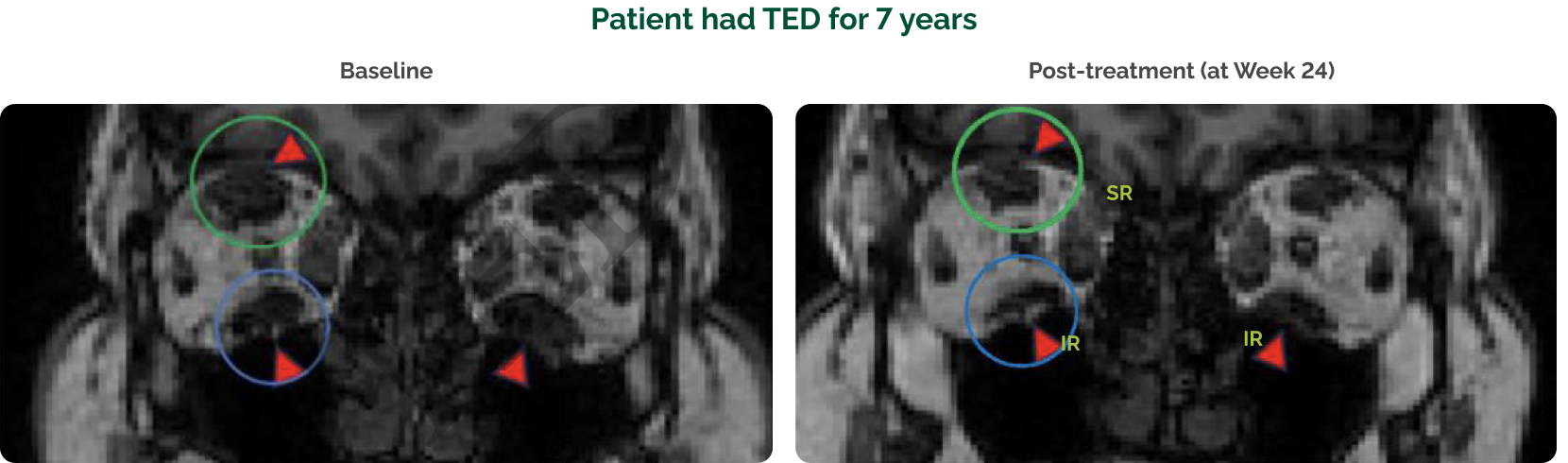
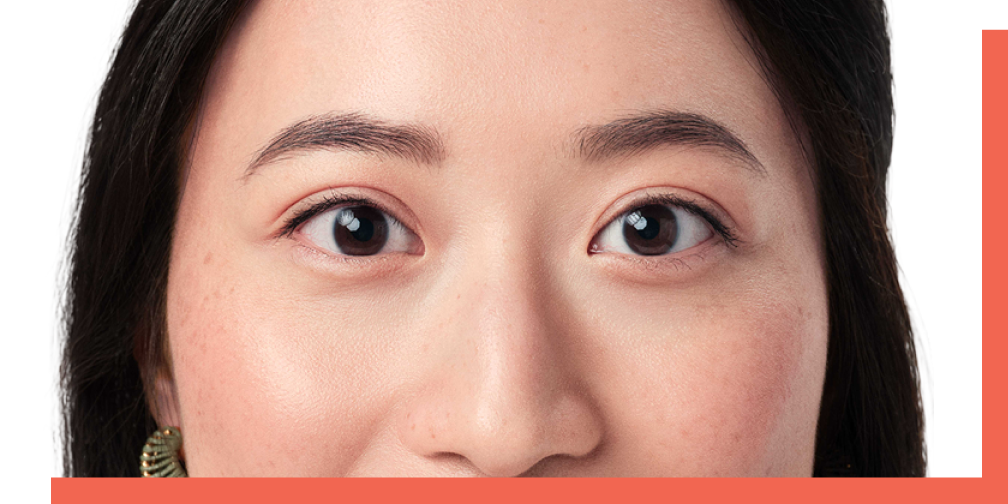
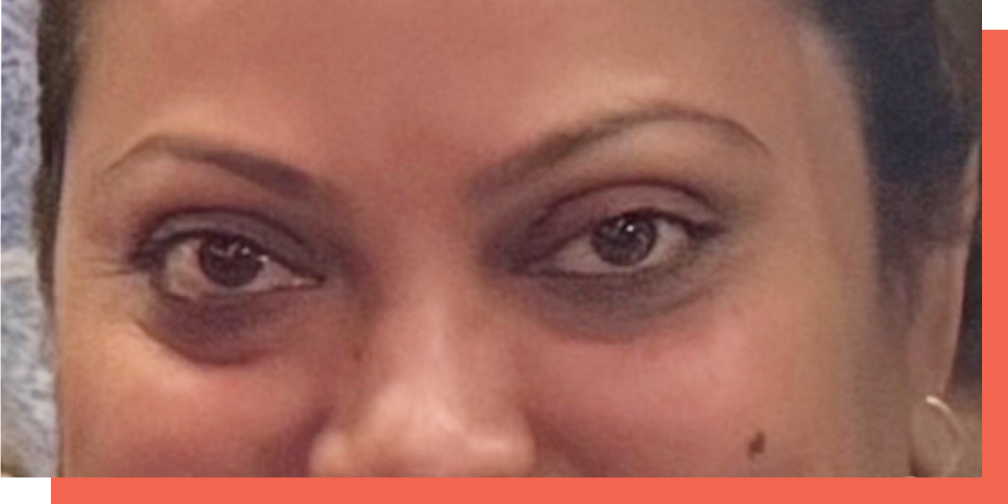
I have had excellent experience in seeing huge impacts on my patients' proptosis, their double vision. Whereas in other patients, they might have
milder disease and yet I've still treated them and have seen really significant improvements there as well. And there is definitely a subset of patients who are very bothered by pressure behind their eyes um and other symptoms that would prompt them to want to pursue treatment with TEPEZZA.
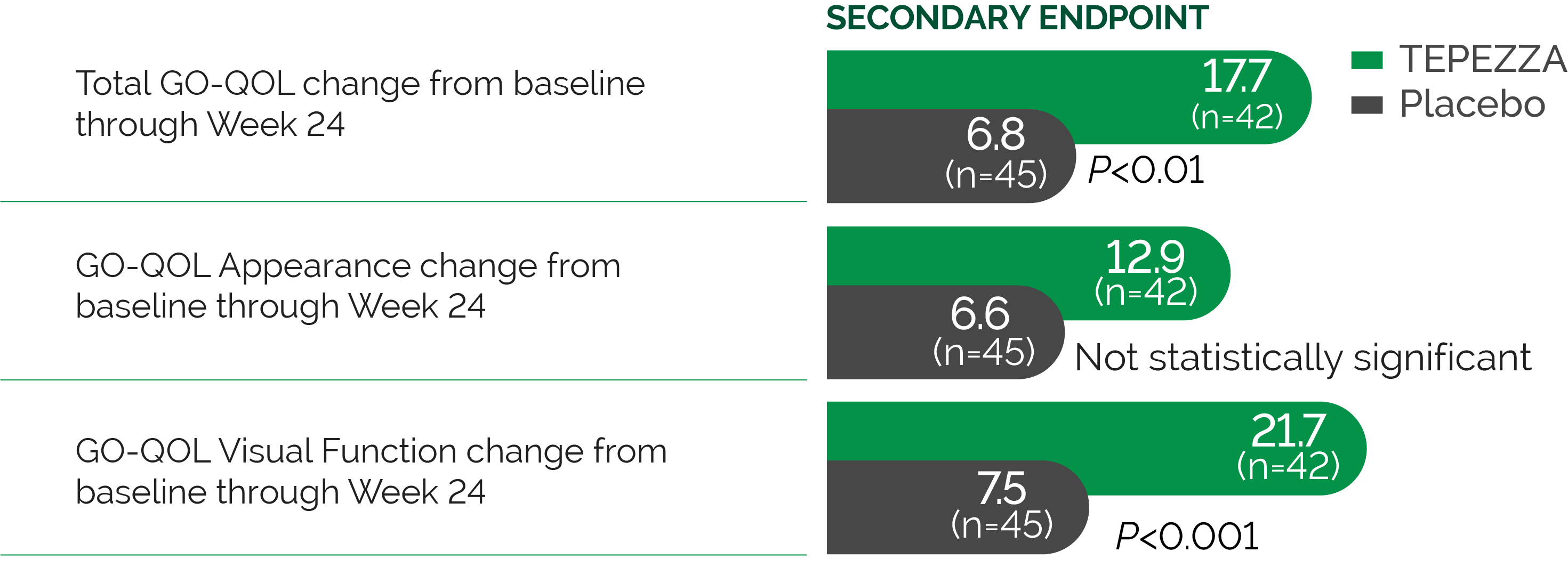
So the spectrum for which I have had experience is quite broad and the results have been really dramatic. When I speak to my patients who have thyroid eye disease who are symptomatic enough to want to consider therapy,
We, I go over the options of TEPEZZA as the first FDA-approved treatment for Thyroid Eye Disease and I'll go over the side effects and potential risks involved. Prior to the development of TEPEZZA, surgery was really the mainstay.
And it's been really remarkable to have something to offer my patients that is a medical option and it's just really exciting to see the gratitude that patients have for the transformations that they’re seeing after treatment with this drug.
IMPORTANT SAFETY INFORMATION
WARNINGS AND PRECAUTIONS
Infusion Reactions: TEPEZZA may cause infusion reactions. Infusion reactions have been reported in approximately 4% of patients treated with TEPEZZA. Reported infusion reactions have usually been mild or moderate in severity. Signs and symptoms may include transient increases in blood pressure, feeling hot, tachycardia, dyspnea, headache, and muscular pain. Infusion reactions may occur during an infusion or within 1.5 hours after an infusion. In patients who experience an infusion reaction, consideration should be given to premedicating with an antihistamine, antipyretic, or corticosteroid and/or administering all subsequent infusions at a slower infusion rate.
Inflammatory Bowel Disease: TEPEZZA may cause an exacerbation of inflammatory bowel disease (IBD). IBD has been reported in some patients without a prior diagnosis of IBD. Monitor patients for signs and symptoms of IBD. If IBD exacerbation is suspected, discontinue use of TEPEZZA.
Hyperglycemia: Increased blood glucose or hyperglycemia may occur in patients treated with TEPEZZA. In clinical trials, 10% of patients (two-thirds of whom had preexisting diabetes or impaired glucose tolerance) experienced hyperglycemia. Hyperglycemic events should be controlled with medications for glycemic control, if necessary. Assess patients for elevated blood glucose and symptoms of hyperglycemia prior to infusion and continue to monitor while on treatment with TEPEZZA. Ensure patients with hyperglycemia or preexisting diabetes are under appropriate glycemic control before and while receiving TEPEZZA.
Hearing Impairment Including Hearing Loss: TEPEZZA may cause severe hearing impairment including hearing loss, which in some cases may be permanent. Assess patients’ hearing before, during, and after treatment with TEPEZZA and consider the benefit-risk of treatment with patients.
ADVERSE REACTIONS
The most common adverse reactions (incidence ≥5% and greater than placebo) are muscle spasm, nausea, alopecia, diarrhea, fatigue, hyperglycemia, hearing impairment, dysgeusia, headache, dry skin, ear discomfort, weight decreased, nail disorders, and menstrual disorders.
Please see Full Prescribing Information or visit TEPEZZAhcp.com for more information.
Talk to your Amgen representative today to learn more about TEPEZZA.